

How Southern Grower-Florists Are Redefining Sustainable Wedding Flowers
How Southern Grower-Florists Are Redefining Sustainable Wedding Flowers
Sustainable wedding flowers are taking root across the Gulf South as couples look for celebrations that are as thoughtful as they are beautiful. On the edges of New Orleans and across the state line in rural Mississippi, grower-florists Tey Stiteler of The Secret Spot Flowers and Virginia Child of Budsies are redefining wedding florals one seedling at a time.
Tey Stiteler of The Secret Spot Flowers and Virginia Child of Budsies share how growing their own blooms, skipping floral foam, and designing with intention are helping couples celebrate love without leaving waste behind.
In the heart of the Gulf South, a quiet revolution is blooming. On the edges of New Orleans and across the state line in rural Mississippi, two women are redefining wedding florals one seedling at a time. Tey Stiteler of The Secret Spot Flowers and Virginia Child of Budsies are not just florists – they are farmers, artists, and environmental advocates. Their floral designs, rooted in locally grown, chemical-free blooms, are reshaping how couples approach weddings across Louisiana and Mississippi.
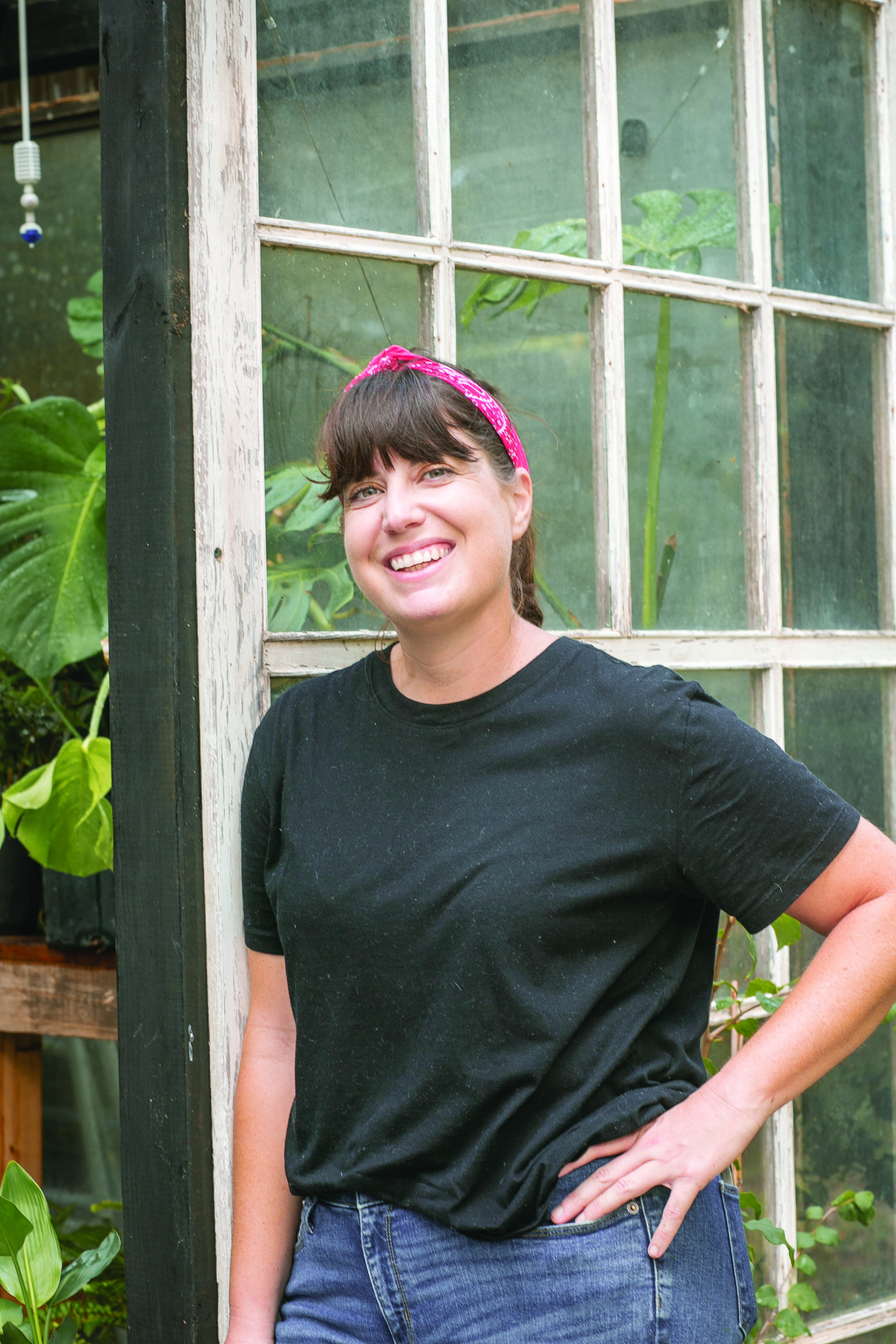
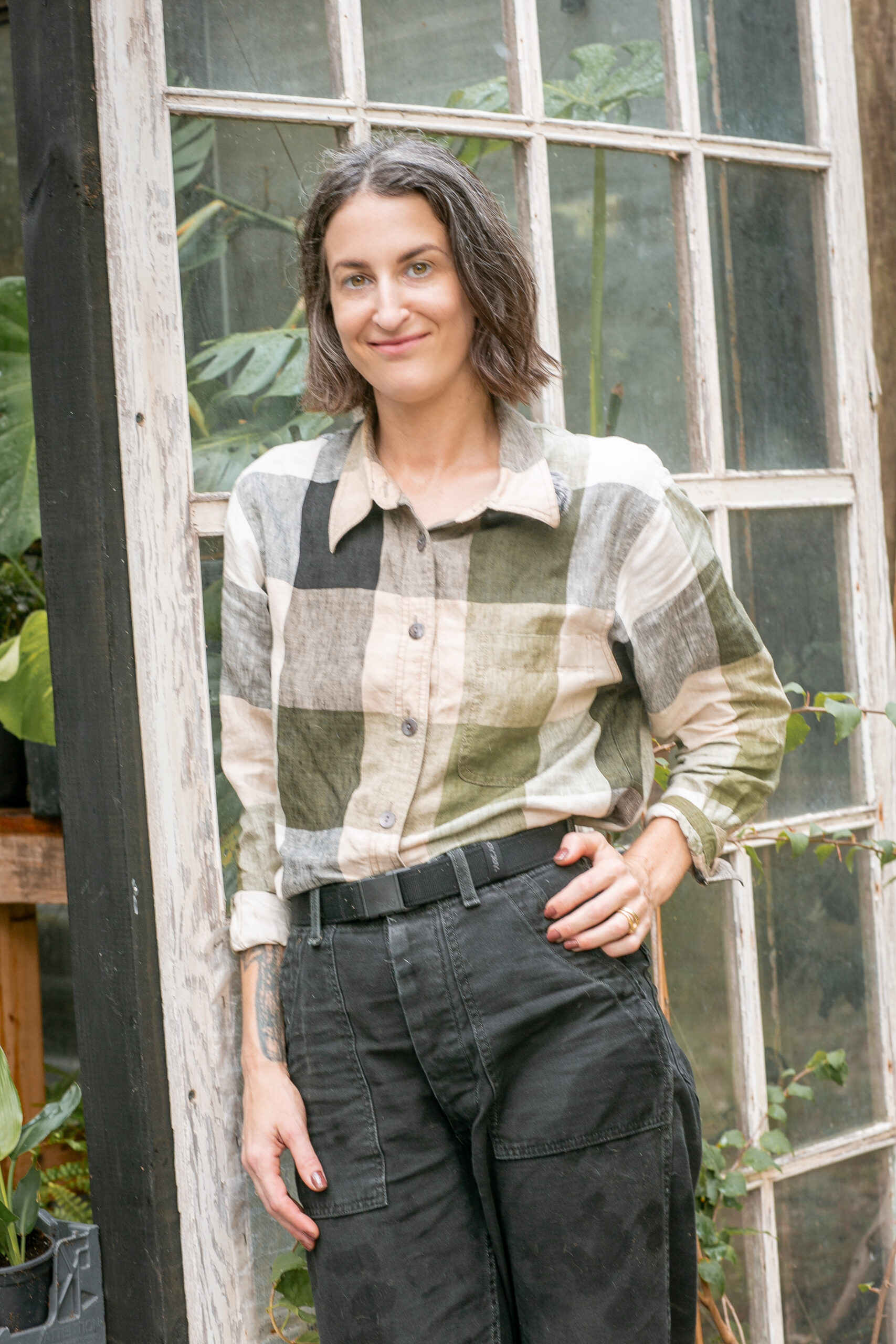
Growing Something More
Both Tey and Virginia came to florals from creative, hands-on backgrounds – Tey from a love of hospitality and time spent outdoors, and Virginia from a foundation in ceramics and interior design. They each found purpose and passion in flower farming, discovering joy in the unpredictability of Southern weather and the rhythm of the seasons.
“I grew up working outside – mostly in stables,” says Tey. “After years of city life, I craved that again. Once I started working with flowers, something clicked.”
Virginia, who now grows blooms on her land in Algiers, recalls the moment she planted her first seed. “It changed my entire perspective on how I view life and nature. Now I can’t imagine a life without flowers and plants constantly surrounding me.”
Their decision to farm sustainably came naturally. For Tey, the amount of waste in traditional floral design was impossible to ignore. “It felt non-negotiable. If we were going to create something beautiful for a wedding, it needed to be done responsibly.”
Virginia agrees: “Sustainability isn’t just a choice, it’s a lifestyle. While it’s more demanding and time-consuming, the other route wasn’t even an option for me.”
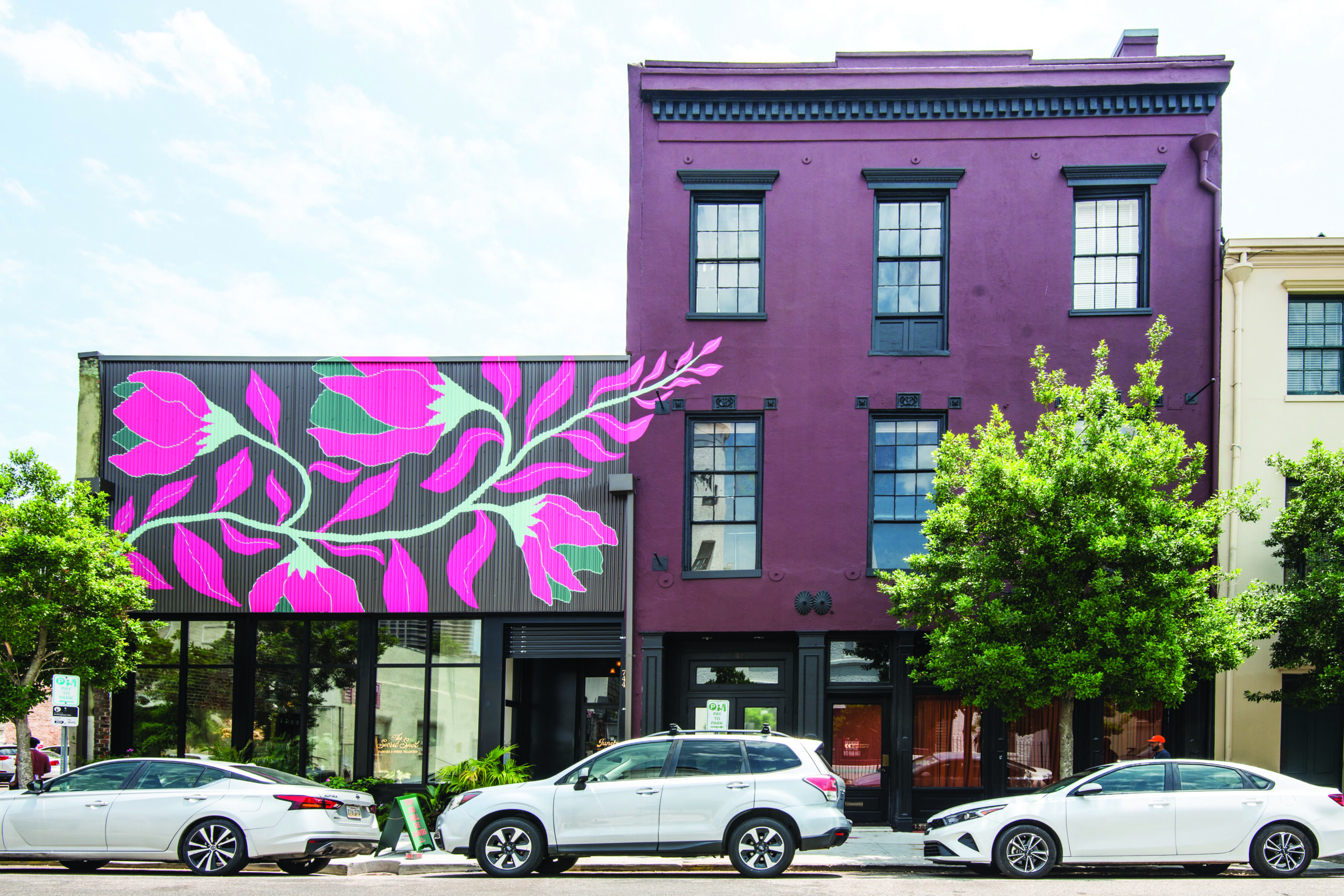
What Sustainable Florals Really Mean
The sustainable floral movement goes far beyond skipping floral foam or composting clippings. It means a return to seasonality, a celebration of native species, and a deeper respect for the land. It also means educating couples and reshaping expectations.
“We gently educate our clients,” says Tey. “Most people don’t realize how wasteful the floral industry can be. We help them fall in love with local, seasonal blooms that feel true to the time and place they’re getting married.”
Virginia takes it a step further. “We often work with couples who want local and native flowers only. Some even make their own vessels – one bride was a ceramic artist. Those moments are what I live for.”
From the Ground Up: Local Blooms and Eco-Conscious Methods
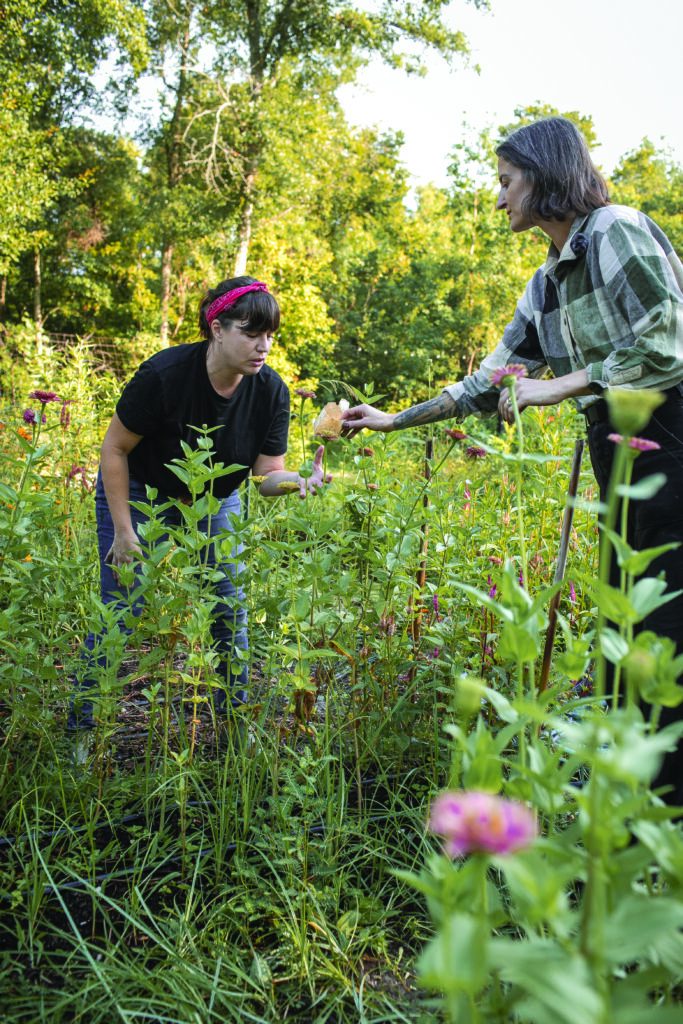
At the heart of their approach is a commitment to the soil. Tey and Virginia use no-till methods, compost heavily, and avoid harmful chemicals. Virginia brings in beneficial insects like lacewings and praying mantises to manage pests. Tey, meanwhile, employs a team of ducks for natural pest control.
“We enrich our sandy soil with organic amendments and compost and use pulse watering to keep it healthy,” says Tey. “It means sometimes losing blooms to bugs, but it’s worth it when the garden is alive with life.”
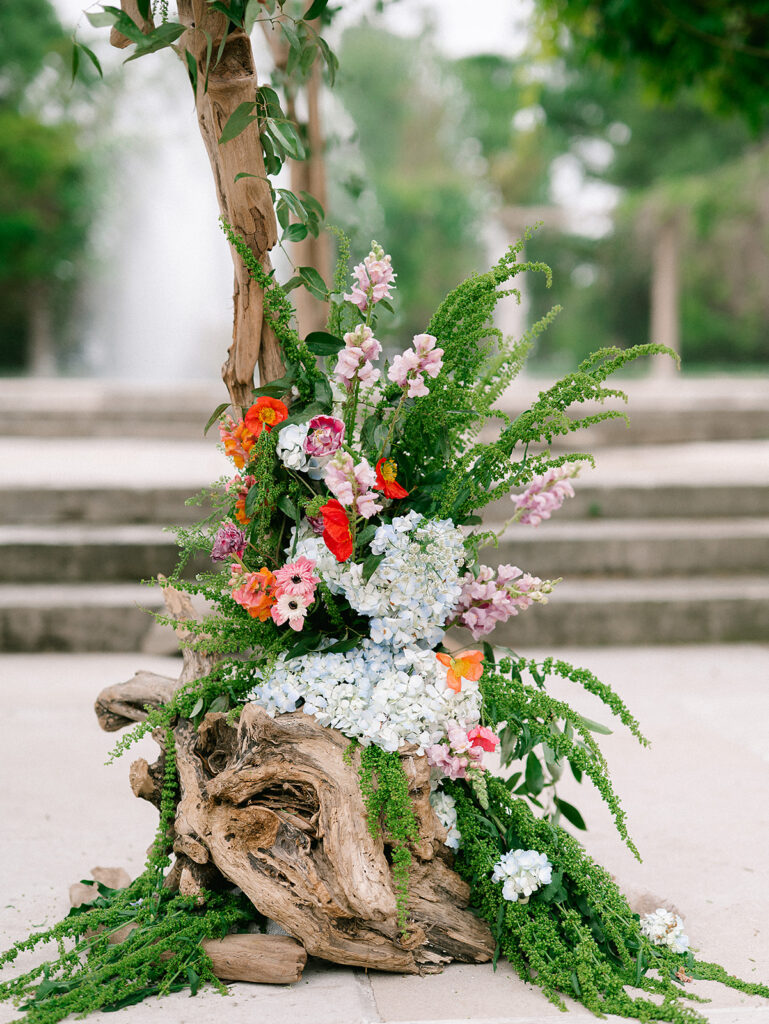
What they grow reflects both the local environment and their clients’ needs. Celosia, zinnias, ranunculus, foxglove, tulips, and even poppies fill their fields.
“I’m drawn to flowers that spark curiosity or delight,” says Tey. “Celosia can look like a brain or a feather. It makes people stop and ask questions.”
Virginia adds: “We grow seasonal show-stoppers, but also love the ‘flawed’ blooms – those with curvy stems or a miscolored petal.”
Design with Purpose
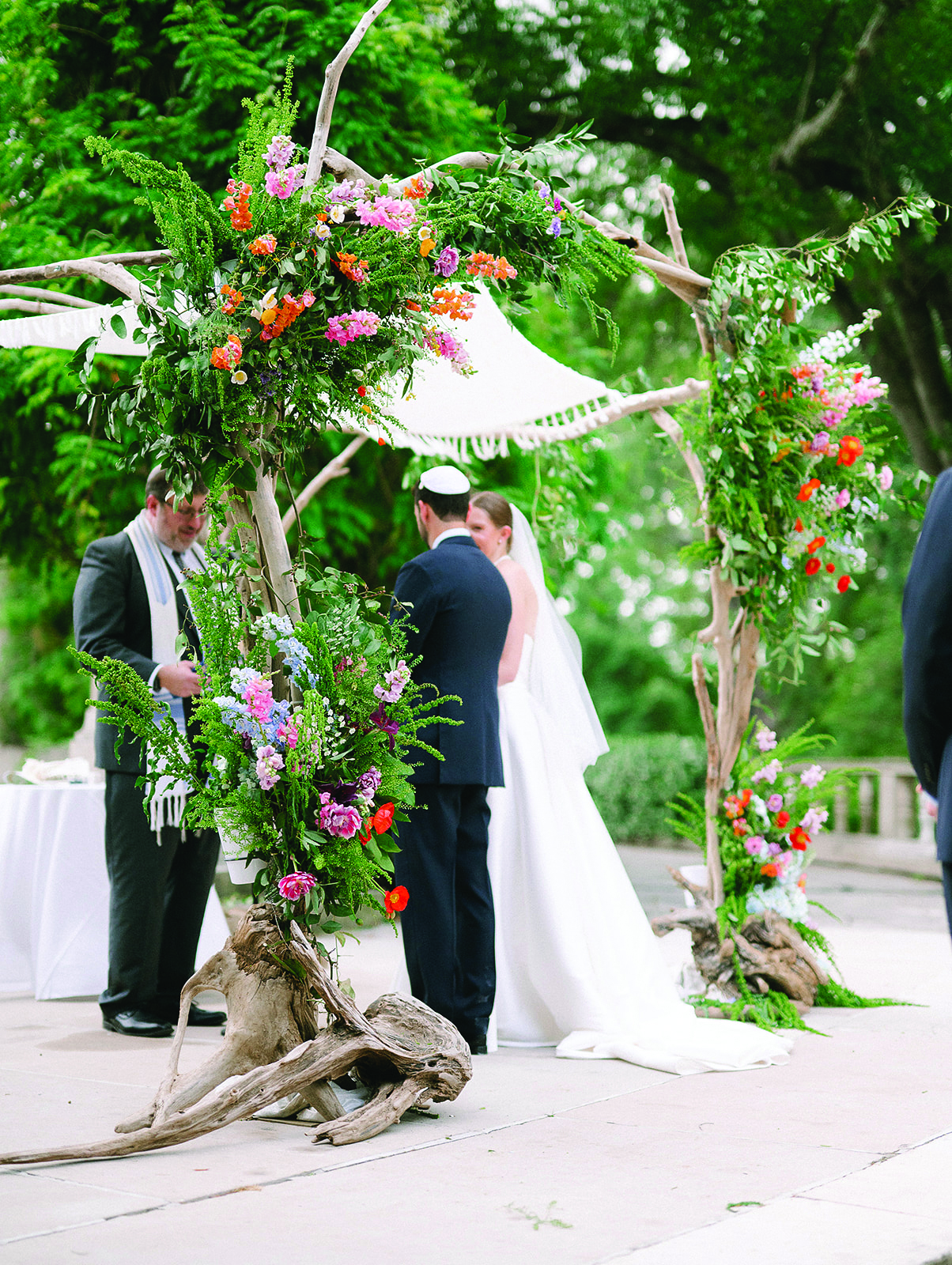
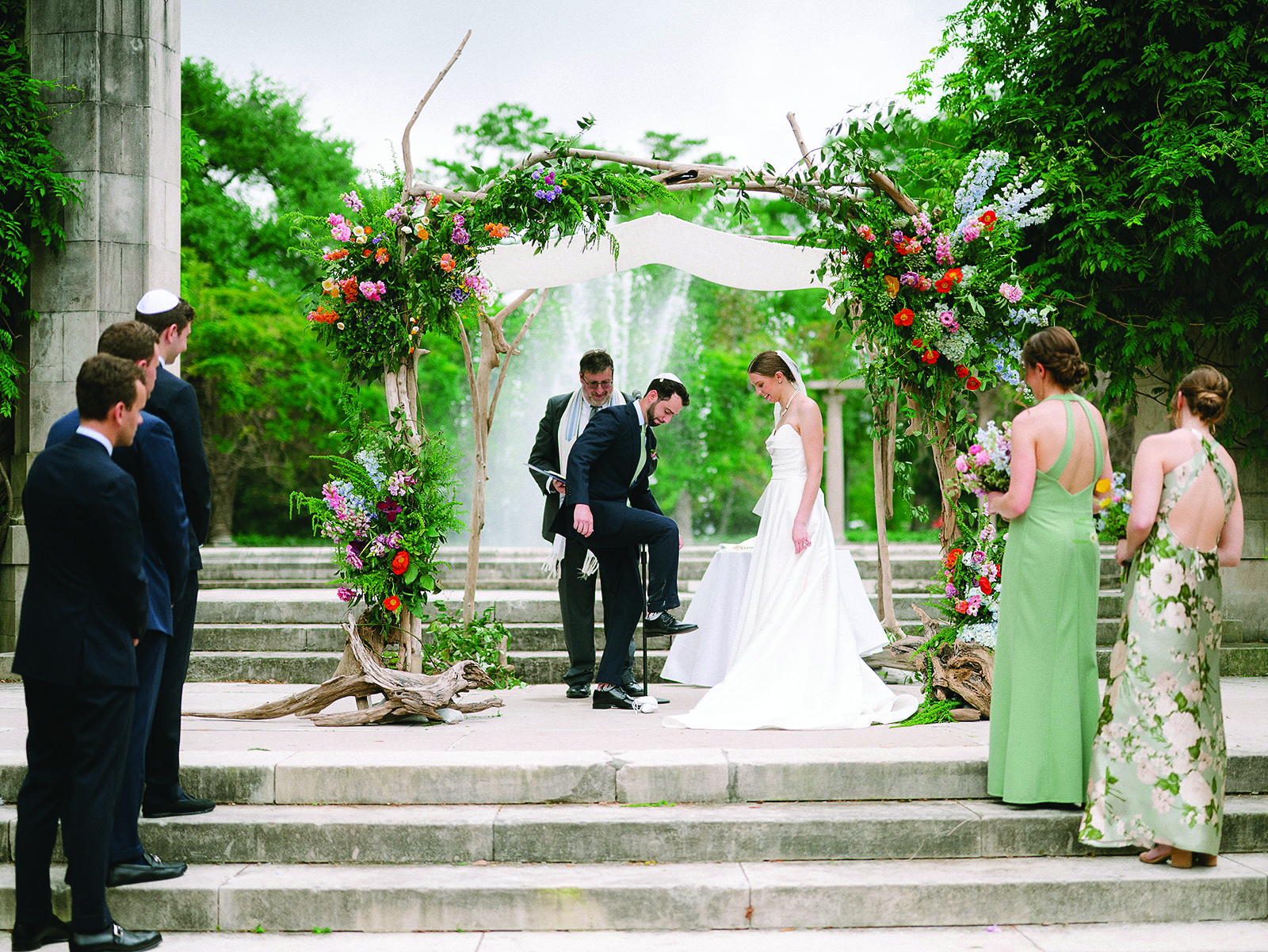
On the design side, both florists embrace foam-free mechanics and reusable materials. Chicken wire, flower frogs, water tubes, and even live potted plants are tools of the trade.
“We treat potted plants like floral foam,” Tey explains. “We add stems with water picks right into the soil. The couple can replant the pots after the wedding – it’s beautiful and meaningful.”
Repurposing arrangements is also standard practice. Ceremony aisle florals become reception centerpieces, and bouquets get new life in simple vases.
“We often leave empty vases for bridesmaids to drop their bouquets into,” Virginia says. “It’s an easy way to keep using what we’ve already created.”
Both compost their green waste and donate leftover flowers when possible.
Planning a Sustainable Wedding
So how can couples embrace sustainability in their floral designs?
“Start with local and seasonal,” says Tey. “Talk with your florist about foam-free options. Every small choice counts.”
Virginia agrees: “Reach out to a local flower farmer. Even if they don’t do design work, they can recommend someone who uses local blooms.”
The key, both say, is shifting mindset. “Local flowers are luxury flowers,” Tey explains. “They’re not mass-produced. They’re grown with love.”
Top tips from the pros:
- Focus on a few high-impact pieces.
- Repurpose arrangements throughout the day.
- Trust your designer’s creativity with what’s in season.
Southern Blooms with Soul
The Southern climate offers both challenge and charm. Tey cites intense weather swings and hurricanes as major obstacles, while Virginia adds summer droughts, winter storms, and flooding to the list.
Yet this region yields standout blooms that often go underappreciated. Think foxglove, celosia, cosmos, and verbascum – varieties too fragile to ship but stunning in the hands of a local farmer.
“Cosmos are incredibly sought after,” Virginia notes. “When you see them in a bouquet, it usually means local flowers were used.”
A Community Effort
Sustainability isn’t just about the planet – it’s about people, too. Virginia recalls finding oyster forks while sifting through compost from a local collection company.
“It reminded me how many hands touch just one flower—from the fisherman to the compost collectors to us, the farmers. It’s a full-circle process.”
Tey agrees: “We want to create beauty with intention. That means honoring the land, our clients, and our community.”
As more couples seek out eco-conscious options for their big day, designers like Tey and Virginia are paving the way for florals that are as thoughtful as they are stunning – proving that in the South, sustainability can be deeply rooted in tradition, beauty, and love.
