

Your engagement ring is made to last a lifetime, but everyday wear can take a toll. Discover expert advice on cleaning, protecting, and caring for your ring to keep it sparkling for years to come.
How to Care for Your Engagement Ring
AS SEEN IN THE 2026 DIGITAL ISSUE #33 OF NOW WEDDINGS MAGAZINE
Your engagement ring may be one of the most meaningful pieces of jewelry you’ll ever own. It’s something you’ll admire, photograph, and wear throughout your engagement and marriage.
But should you really wear it all the time?
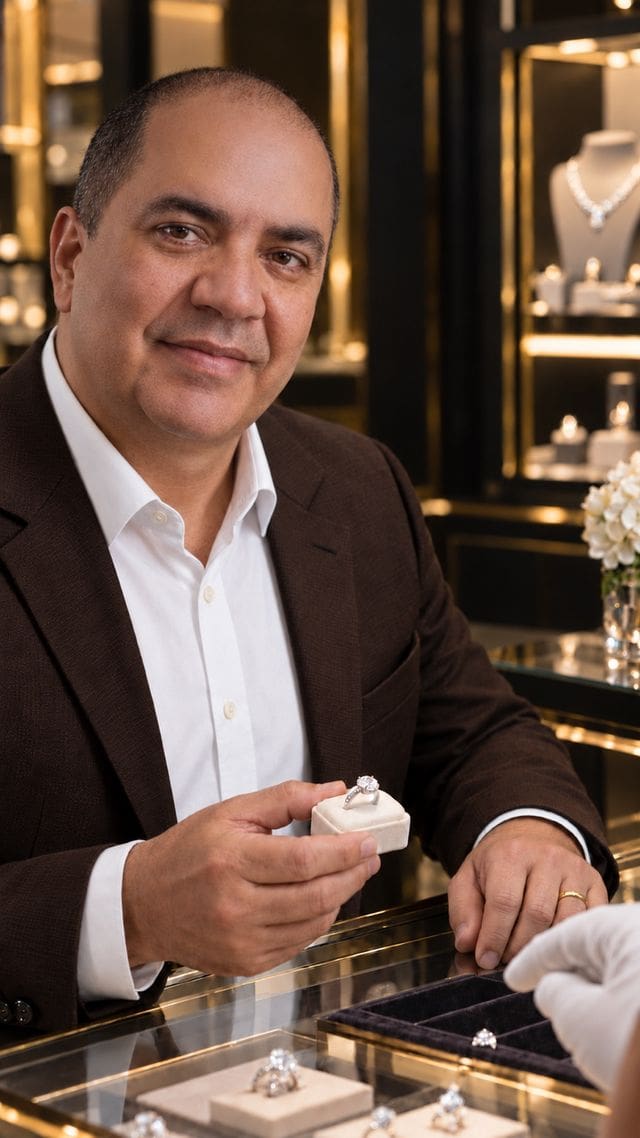
According to Mr. Mello, founder and master diamond setter of Florida-based LAMOR&CO, the answer is no.
After 27 years working as a diamond setter in New York, including projects for some of the most respected names in fine jewelry, he’s seen how even beautifully crafted rings can develop damage through everyday wear.
“An engagement ring is meant to be worn and enjoyed, but that doesn’t mean wearing it through absolutely everything.”
Here’s what he wants every newly engaged couple to know.
When Should You Take Off Your Engagement Ring?
One of the biggest misconceptions about engagement rings is that they’re designed to withstand everything.
Diamonds are exceptionally hard, but the gold holding them in place is much softer. Activities that put pressure on the band or setting can cause damage over time.
Mr. Mello recommends removing your ring before:
- Lifting weights: Gripping dumbbells or other equipment can bend the band or damage the setting.
- Gardening: Physical work can put pressure on the ring and expose it to accidental knocks.
- Moving furniture: Heavy lifting and gripping can damage the band or prongs.
- Other strenuous activities: If an activity puts significant pressure on your hands, it’s safer to remove your ring.
“My advice is simple: if an activity puts a lot of pressure on your hands, it’s better to remove the ring first.”
There is also a personal safety consideration. Rings can catch on objects and potentially cause serious injuries to your fingers or hands.
What Are the Most Common Types of Engagement Ring Damage?
According to Mr. Mello, worn or bent prongs, loose diamonds, and damage to the band are among the most common issues he encounters.
Often, the damage isn’t caused by one dramatic accident. Instead, small impacts accumulate over time.
“What many people don’t realize is that a ring can look perfectly fine until you examine it under a microscope.”
Prongs are especially important because they secure the diamond in its setting. If they become bent or worn, the stone may eventually loosen.
The bottom of the band can also wear down through regular use.
How Can You Tell if Your Engagement Ring Needs Repair?
Not all ring damage is immediately obvious, but there are warning signs worth watching for.
If your diamond begins catching on clothing or hair, the prongs may need attention.
Other signs include a stone that appears crooked or a setting that looks bent or damaged.
Even if the diamond still feels secure, Mr. Mello recommends having the ring professionally inspected.
Never attempt to straighten a damaged setting yourself. Doing so could make the problem worse.
How Often Should You Have Your Engagement Ring Inspected?
LAMOR&CO recommends having your engagement ring professionally inspected once a year.
A proper inspection should include checking the diamonds, prongs, and overall structure of the ring, preferably under a microscope.
However, Mr. Mello emphasizes that problems don’t follow a schedule.
Damage can happen just weeks after an inspection, so it’s important to pay attention to your jewelry between appointments.
If something seems unusual, don’t wait until your next scheduled visit.
How to Clean Your Engagement Ring at Home
Over time, diamonds collect residue from hand creams, soaps, and everyday oils. Much of that buildup accumulates underneath the stones, reducing their sparkle.
For routine cleaning, Mr. Mello recommends a straightforward method:
- Use hot tap water and a small amount of dish soap.
- Gently clean around and underneath the diamonds with a soft toothbrush.
- Rinse thoroughly.
He notes that some solid-gold rings set only with diamonds can tolerate more intensive cleaning methods, but cautions against boiling jewelry unless a professional has confirmed that the specific piece is suitable.
When in doubt, ask your jeweler before trying a new cleaning method.
Are Some Engagement Ring Styles More Delicate Than Others?
Yes. The design of an engagement ring can significantly affect how much care it requires.
Very thin bands, delicate pavé settings, and large diamonds positioned high above the band may be more vulnerable to damage.
High-set stones are especially exposed to accidental knocks and can catch on clothing or other objects.
“A ring can look beautiful in a photograph, but that doesn’t always mean it’s practical for everyday wear.”
Mr. Mello also cautions against assuming that thicker prongs automatically mean a more secure setting.
He’s encountered rings with substantial prongs that were poorly constructed, as well as delicate-looking settings that held their diamonds securely.
The difference comes down to craftsmanship.
What Should You Ask Before Buying an Engagement Ring?
Beyond diamond size and sparkle, Mr. Mello encourages couples to ask about the quality and construction of the ring itself.
Consider how the design will hold up to everyday wear, whether the setting is appropriate for your lifestyle, and how the engagement ring will pair with a wedding band.
He recommends thinking about both rings together so you have the flexibility to wear them as a set or wear the wedding band independently.
“Good craftsmanship isn’t just about beauty. It’s about making sure a ring is built to last.”
An engagement ring should be beautiful, meaningful, and thoughtfully constructed. With the right care and regular attention, it can remain part of your story for generations.
As seen in: NOW Weddings Magazine @nowweddingsmagazine

Leave a Reply
You must be logged in to post a comment.